Book a conversation (opens WhatsApp in a new window)
Therapeutic photography

Miràlia

A different way of seeing.

A psychotherapy process that uses photography to accompany you in looking at what is hard to see. Five phases, one camera and a space that is only yours.

This is not a photo shoot. It is applied psychotherapy.

The starting point

  1. What I am
  2. What I tell myself
  3. What I do to myself
  4. What I wish I could tell myself
  5. What I don't know how to say to myself
  6. What I don't know how to receive
  7. What I don't know how to change

Miràlia begins here: in the distance between how you see yourself and how you wish you could.

The project

The camera as a mirror, psychology as a path

Miràlia is a therapeutic photography process led by a licensed general health psychologist who is also a photographer. The image makes visible what is hard to say; words give it meaning. You are the protagonist.

  • Not a workshop

    It is applied psychotherapy. Every photograph is clinical and emotional material, worked through in session with rigour and care.

  • A space of your own

    Intimate and confidential. Your images and your words are protected by professional secrecy, within the legal and ethical limits I will explain before we begin.

  • A process, not a session

    Five phases that move at your pace: from the initial meaning to the final pause, with clinical support at every step.

The process

Five phases to look at yourself again

An evolving journey from meaning to pause. Each phase has its own time, its own work and its own conversation. There is no hurry: there is a path.

Phase 1: The meaning

Where does Miràlia come from?

It all begins with a question: what do I tell myself when I talk to myself? Before taking a single photograph, we put words to the starting point. We explore what you are, what you tell yourself and what you don't yet know how to say to yourself. This first phase gives meaning to the whole process: together we define what you want to see, understand and change.
Phase 2: The narrative

You are the protagonist

We build your narrative: the story you tell about yourself and the one you haven't told yet. We choose settings, objects and gestures that speak of you. You don't pose for anyone: the camera follows you, not the other way round. The images are not meant to be beautiful; they are meant to be yours.

Phase 3: The mirror

The secret of the gaze

The moment to look arrives. The photographs become a mirror that does not judge: they show what is there, not what you thought was there. With clinical support, we look at the images and at what they awaken. This is often where the surprise appears: seeing yourself from the outside can change how you look at yourself from within.

“A person should look for what they are and not what they think they should be.”
A. Einstein

Phase 4: The conversation

The meaning of words

Images open the door; words walk through it. In this phase we turn what you have seen into therapeutic conversation: what moved you, what you recognise, what is hard to accept. It is the moment to name what you didn't know how to say to yourself. Words bring order to what the image has uncovered.

Phase 5: The Pause

The steps and the path

Every process needs a place to rest. We close by looking back at the steps taken and the path ahead: what you take with you, what you let go of, and how to keep caring for the way of seeing you have learned. The pause is not an ending; it is the point from which you start walking again, this time in your own company.

The sessions

How the process takes shape

Miràlia is a one-to-one process, carried out in person in Barcelona. The first conversation is for getting to know each other, understanding what you are looking for and deciding together whether this process is for you.

The format

Individual and in person in Barcelona. Therapeutic conversation sessions combined with photography sessions in meaningful locations.

The pace

Each phase has its own time. The length and number of sessions are defined in the first conversation, depending on what you need to work on.

The images

Your photographs are part of your process and are treated as clinical documentation: confidential, never published or shared without your express, specific and revocable consent.

The guidance

The whole process is led by the same person: a licensed general health psychologist and photographer. Both ways of seeing work together.

Book a conversation (opens WhatsApp in a new window)

The first conversation is free and takes about 30 minutes: it is for getting to know each other and deciding together whether we begin, with no obligation to continue. Fees for the process are explained at this first meeting.

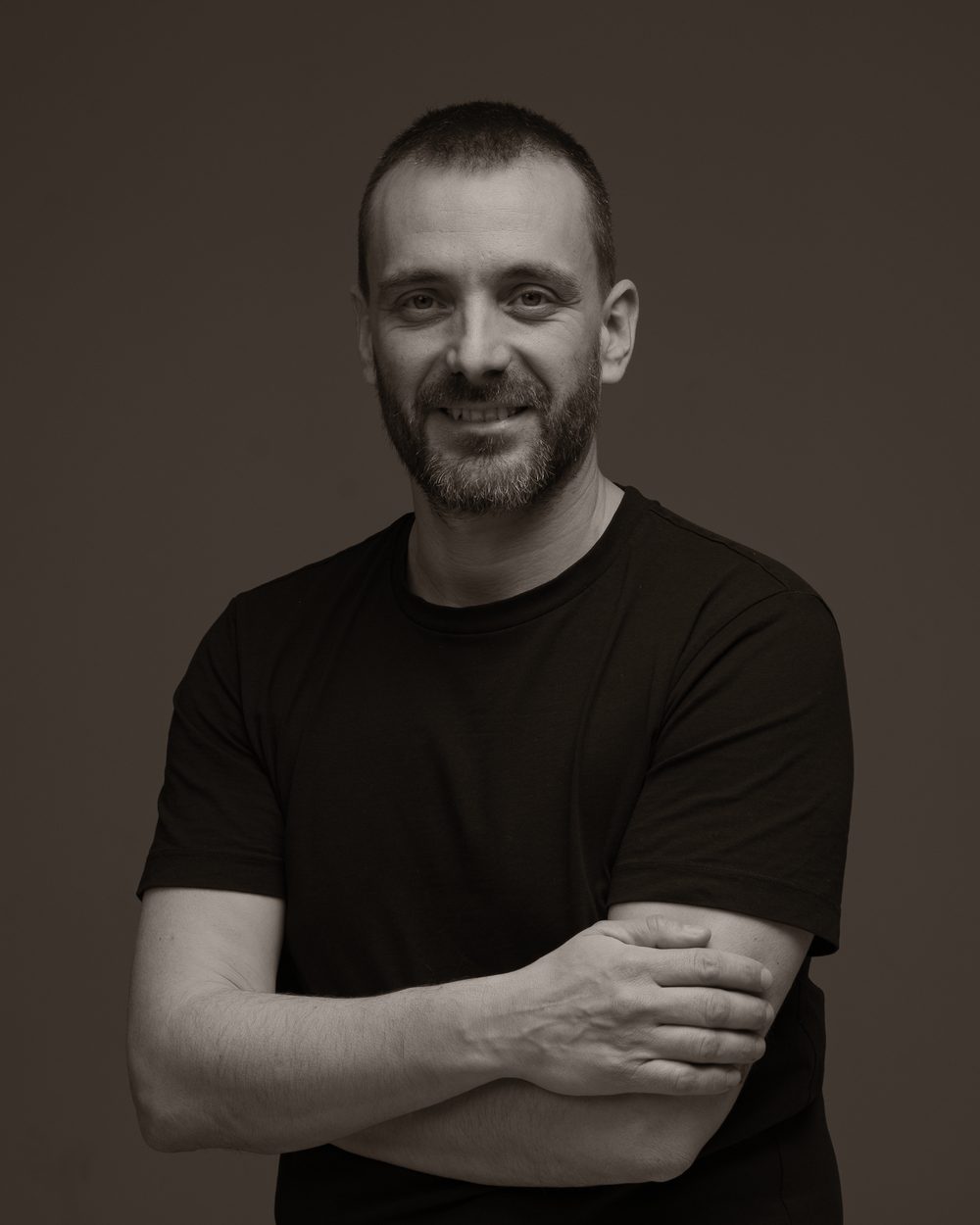
Portrait of Albert Domènech, psychologist and photographer
About me

Two ways of seeing, one person

I am Albert Domènech, a general health psychologist (the Spanish licence for clinical practice) with more than fifteen years of experience working with individuals, couples and families. I have trained in trauma treatment (EMDR, levels I and II), addictions and complex emotional difficulties, in residential and outpatient settings.

I am also a photographer. Miràlia was born where my two professions meet: the certainty that an image can make visible what words cannot yet say, and that a well-accompanied conversation can transform what the image has revealed.

“Change begins when you understand what you could not see until now.”
Visit my psychology practice (opens in a new window)
Frequently asked questions

Before we begin

Is this the same as light phototherapy?

No. Miràlia has nothing to do with the light therapy used in dermatology or with lamps for seasonal depression. Here the key word is photography: we work with images and with your way of seeing, within a psychotherapy process led by a licensed psychologist.

Is it therapy or a photo shoot?

It is psychotherapy. Photography is the tool, not the goal: every image is worked through in session as therapeutic material, with the rigour and confidentiality of any clinical process.

Do I need to know how to pose?

No. There are no poses and no expected results. The camera adapts to you and your pace; if any initial discomfort appears, that too is material to work with.

What happens to my photographs?

They form part of your clinical documentation: you have the right to access and copy them, they are stored securely, and they are never published or used for any other purpose without your express, specific written consent, which you can withdraw at any time. Before the first photography session we will sign an informed consent form about the use of the images.

Where do the sessions take place?

In Barcelona. Conversation sessions at the practice; photography sessions in places we choose together so they hold meaning within your process.

Can I do Miràlia while already in therapy?

Yes. Miràlia can complement an ongoing therapeutic process, but it does not replace it. Always with your authorisation, I coordinate with your therapist to keep the work coherent.

Contact

Let's start with a conversation

Tell me what you are looking for and I will reply personally within one to two working days.

Send me a message

A personal reply, no mailing lists and no commercial messages.